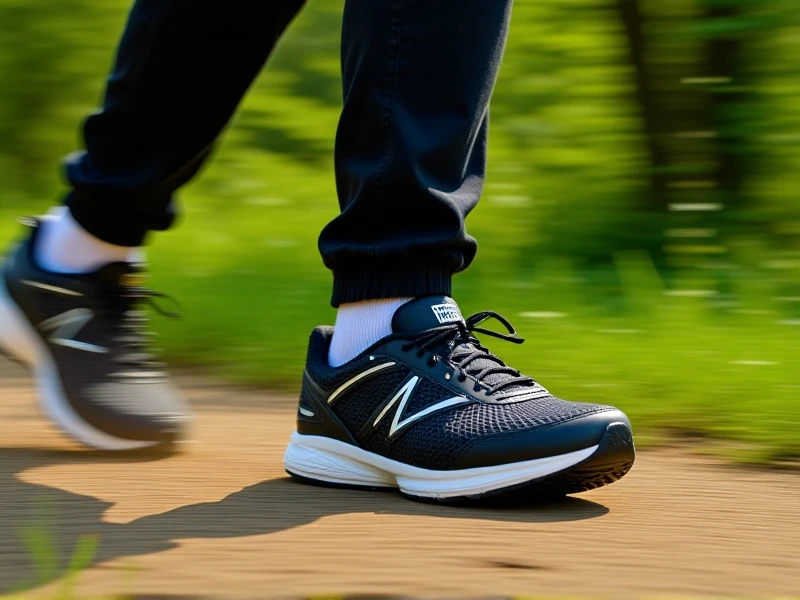
Find Your Perfect Pair: The Ultimate Guide to Men's Running Shoes
Based on your request, here is the SEO-optimized article focused on "Men's Running Shoes":
Finding the right Men's Running Shoes isn't just about style; it's about performance, comfort, and injury prevention. Whether you're training for a marathon, hitting the trails, or just enjoying a daily jog, the correct shoe makes all the difference. With an overwhelming array of options, knowing what features matter most is key to unlocking your best run.
The first step is understanding the primary types of running shoes available for men:
- Trail Running Shoes: Built for rugged terrain. Look for aggressive tread patterns, durable uppers, and often added rock plates for protection against roots and rocks. Excellent grip is non-negotiable. Popular models often feature added ankle support compared to road shoes.
- Cushioned/Neutral Shoes: Ideal for runners with efficient strides who don't overpronate (roll inward excessively). These offer maximum shock absorption, making them a great choice for longer distances on roads or tracks. They prioritize comfort and a soft ride for high-mileage runners.
- Stability/Support Shoes: Designed for mild to moderate overpronators. They incorporate features like firmer foam on the inner side (medial post) or guide rails to help control the foot's inward motion and promote a more efficient alignment from heel strike to toe-off.
- Racing Flats: Lightweight and minimalistic, crafted for speed over shorter distances (often up to 10K) or race day. Less cushioning translates to better ground feel and quicker turnover but offers less impact protection – best reserved for races and fast workouts.
- Motion Control Shoes: Offer the highest level of support for severe overpronators or heavier runners. These are firmer, heavier, and very structured to prevent excessive inward rolling.
Key Considerations When Selecting Men's Running Shoes:
- Fit: This is paramount. Your shoe should fit snugly at the heel but allow ample room (about a thumbnail's width) at the toes. Ensure a secure midfoot wrap without pinching. Try them on later in the day when feet are slightly swollen, and always wear the running socks you intend to use. Never assume your "street size" is your definitive running shoe size – brand fittings can vary significantly.
- Terrain: Match your shoe to where you run most. Road surfaces demand different features (like abrasion-resistant outsoles) than technical trails.
- Pronation Control: Understanding your gait is essential for injury prevention. Visit a running specialty store for a gait analysis; their experts can analyze your stride and recommend the right stability level (neutral or various levels of support).
- Cushioning Feel: Preference matters. Some relish plush, cloud-like softness for comfort across miles, while others prefer a firmer, more responsive feel for speed and feedback. Try on various cushioning levels to find what feels best underfoot.
Popular and Proven Picks:
Highly regarded brands consistently offering top performance across these categories include Nike, adidas, Brooks, Asics, Saucony, Hoka One One, New Balance, and Altra. Each brand tailors its technologies and fits differently. Don't get hung up on a single brand; focus on the specific model that meets your individual needs.
Keeping Them Fresh:
- Rotate between multiple pairs if you run frequently – this extends the lifespan of each pair. Avoid tossing them in the washer and dryer.
- Spot clean your Men's Running Shoes as needed. Gently brush off dried mud and use a damp cloth with mild soap for stains.
- Replace them when they show obvious signs of wear, especially if the midsole cushioning feels noticeably flat and less supportive, or the outsole tread is severely worn. Typically, shoes lose their support and shock-absorption capabilities after 300-500 miles (480-800 km) of use.
Investing the time to choose the perfect Men's Running Shoes is a critical investment in your running enjoyment and longevity. Visit your local running store, seek expert advice, and prioritize the fit and function that match your unique running style and goals. Your feet and your runs will thank you.