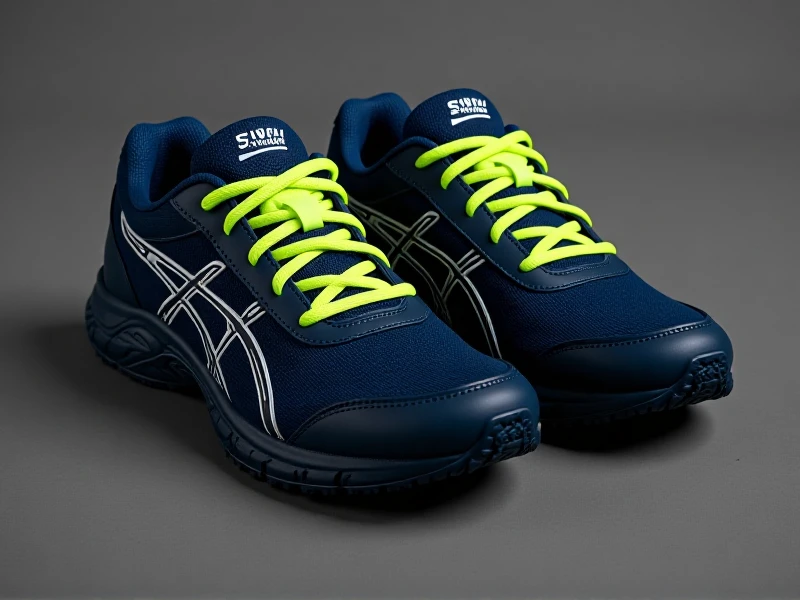
Find Your Perfect Stride: The Ultimate Guide to Men's Running Shoes
Choosing the right pair of men's running shoes isn't just about style; it's the foundation of a comfortable, injury-free, and high-performance run. With countless options available, understanding key features empowers you to find your ideal match.
Why the Right Men's Running Shoes Matter Ill-fitting or unsuitable footwear leads to common running injuries like shin splints, plantar fasciitis, and joint stress. Proper Men's Running Shoes absorb shock, provide stability, enhance propulsion, and cater to your unique biomechanics. They're an investment in your performance and long-term running health.
Key Features to Prioritize
- Cushioning: The level of impact protection varies significantly. Plush cushioning offers maximum shock absorption for easy runs or runners needing extra joint protection. Responsive cushioning provides a snappier feel, returning energy with each stride for speedwork. Balanced cushioning offers versatility for daily training. Consider your mileage, pace, and body weight.
- Support/Stability: This relates mainly to pronation control. Overpronators (feet rolling inward excessively) benefit from structured stability features like medial posts or guide rails. Neutral runners need minimal interference. Stability Men's Running Shoes help maintain proper alignment throughout your gait cycle. Get a gait analysis if unsure.
- Fit: Non-negotiable! Your foot should feel secure without slippage, especially in the heel. Allow about a thumbnail's width of space between your longest toe and the shoe's end. Widths vary, so prioritize comfort. Expect some "break-in" time as materials conform.
- Drop: The height difference between the heel and forefoot. Higher drops (8-12mm) are more traditional and can ease strain on calves/Achilles. Lower drops (0-6mm) encourage a more midfoot/forefoot strike but require gradual adaptation. Standard drop (~8-10mm) suits most.
- Materials: Engineered mesh uppers dominate for breathability and lightweight comfort. Reinforcements offer structure and durability in high-wear areas. Outsoles use carbon rubber for longevity in high-impact zones and lighter blown rubber for flexibility and grip.
Finding Your Best Pair
- Know Your Run: Road shoes differ vastly from trail shoes, which need aggressive lugs for grip and rock plates for protection. Hybrid options exist for light trails and roads. Match the shoe to your primary terrain.
- Consider Weight: Lighter Men's Running Shoes aid speed and agility for tempo runs or racing ("racers" or "super shoes"). Durable trainers handle daily mileage.
- Replace Wisely: Most Men's Running Shoes lose significant cushioning and support between 300-500 miles. Rotate two pairs to extend life and allow foam to recover.
- Seek Expertise: Visit a specialty running store. Their knowledgeable staff can analyze your gait, foot shape, and running goals. Try shoes on later in the day when feet swell, and always wear running socks.
Step into Better Runs Don't settle for discomfort or compromise your potential. The perfect Men's Running Shoes make every mile more enjoyable and efficient. Invest the time to find your match, listen to your body, and step confidently towards your next run. Visit a trusted running specialty store or explore reputable brands online to discover your perfect stride today!