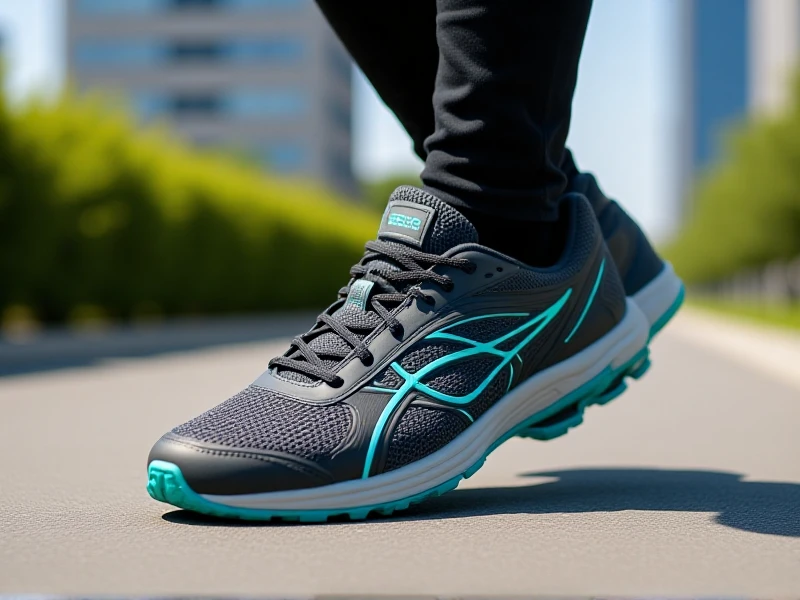
Your Ultimate Guide to Men's Running Shoes: Find the Perfect Pair
Tired of buying the wrong running shoes? Finding the perfect pair of men's running shoes can feel overwhelming, but it doesn't have to be. The right shoe isn't just about style; it's the cornerstone of performance, comfort, and injury prevention on every run. Understanding key factors makes choosing easier and your running much more enjoyable.
The foundation of great running shoes for men often lies in cushioning. Cushioning absorbs impact, protecting your joints. Different shoes offer varying levels – from plush feel for long miles to minimal response for a faster, more connected stride. Next, consider support. Do you have neutral pronation, overpronation, or underpronation (supination)? Shoes come in neutral, stability (for overpronators needing gentle guidance), or motion control (significant overpronation). Getting this fit wrong can lead to discomfort or even injuries. Don't overlook fit. Your foot should feel comfortably secure, not pinched, with about a thumb's width of space in front of your longest toe. Consider arches, width, and trying shoes on later in the day when feet are naturally swollen.
Weight plays a crucial role. Lighter men's running shoes often boost speed and agility for tempo runs or races, while slightly heavier options typically offer more cushioning and durability, ideal for daily training. The terrain matters too. Primarily road running? Prioritize smooth soles and road-specific cushioning. Tackling trails? Seek out aggressive lugs and enhanced protection on rugged trail running shoes for men. The surface dictates traction and durability needs.
Leading brands understand diverse needs, offering technologies like responsive foams, structured guiding systems, and exceptional breathable uppers. Brands like Nike with React foam, Brooks with GuideRails support, or ASICS with GEL cushioning continue exploring your options based on preference.)
The perfect men's running shoes enhance natural motion while preventing instability and shin splints
Best Men's Running Shoes for daily distance
Look beyond hype—test run if possible! Your feet deserve the right partner.
(28) () ()
——!。 <Discover Your Perfect Run: Key Factors in Choosing Men's Running Shoes>
Feeling overwhelmed by the sheer number of men's running shoes? Finding the right pair is less about luck and more about understanding your unique needs. The ideal shoe directly impacts comfort, efficiency, injury prevention, and ultimately, how much you enjoy hitting the pavement or trail.
The core purpose of any men's running shoe is protection and propulsion. Modern designs balance cushioning – absorbing impact shock to protect joints – and responsiveness – springing your foot into the next stride. But not all cushion is equal. Different runners prefer varying levels, from plush maximal comfort (great for long distances or joint sensitivity) to low-profile minimalism or responsive, propulsive foams optimized for speed work or racing.
Critical to your selection is understanding your gait and foot type. Do you have neutral pronation? Or do your feet roll inward excessively (overpronation) or outward (supination)? This determines whether a neutral shoe, a stability shoe for men (providing gentle guidance for mild overpronation), or even motion control shoes men (for more significant overpronation) is necessary for healthy running biomechanics. Many specialty running stores offer gait analysis.
Fit reigns supreme. Ensure adequate length (about a thumbnail's space from your big toe to the end), width (no pinching, especially in the forefoot), and a secure, comfortable hold throughout the midfoot and heel without slippage or tightness. Remember feet swell while running, so shop later in the day and wear the socks you typically run in. Weight matters for feel and pacing. Lighter run shoes for men benefit speed sessions and races, while slightly heavier trainers offer maximum cushioning and durability for everyday road miles. Matching the shoe to the terrain is essential too. Road shoes need smooth, durable soles, while trail shoes demand aggressive lugs and protective elements.
Top brands invest heavily in innovative materials for uppers (breathable, flexible, supportive mesh) and midsoles (advanced responsive and durable compounds). Ultimately, prioritize function over trends. Knowing your desired cushion, gait needs, preferred fit, primary running surface, and weight preferences will guide you powerfully. Visit a reputable running store, get expert advice, and try on several pairs. The right men's running shoes transform your run, boost confidence, and keep you happily logging miles injury-free. Ready to revamp your run? Explore Men's Running Shoes Now: Your feet deserve their perfect match! Your ideal run awaits.